
Periodontology (Gum Treatments)

Gum health is essential for long-term tooth preservation. Treatment plans include hygiene, surgery, and maintenance stages.

Periodontology (Gum Treatments)

Gum Disease: From Gingivitis to Periodontitis

Periodontal (gum) disease is one of the most prevalent chronic conditions worldwide, affecting approximately 50% of adults in some form. It exists on a spectrum: gingivitis (reversible inflammation of the gums caused by plaque accumulation) at one end, and advanced periodontitis (irreversible destruction of the bone and ligament supporting the teeth) at the other.

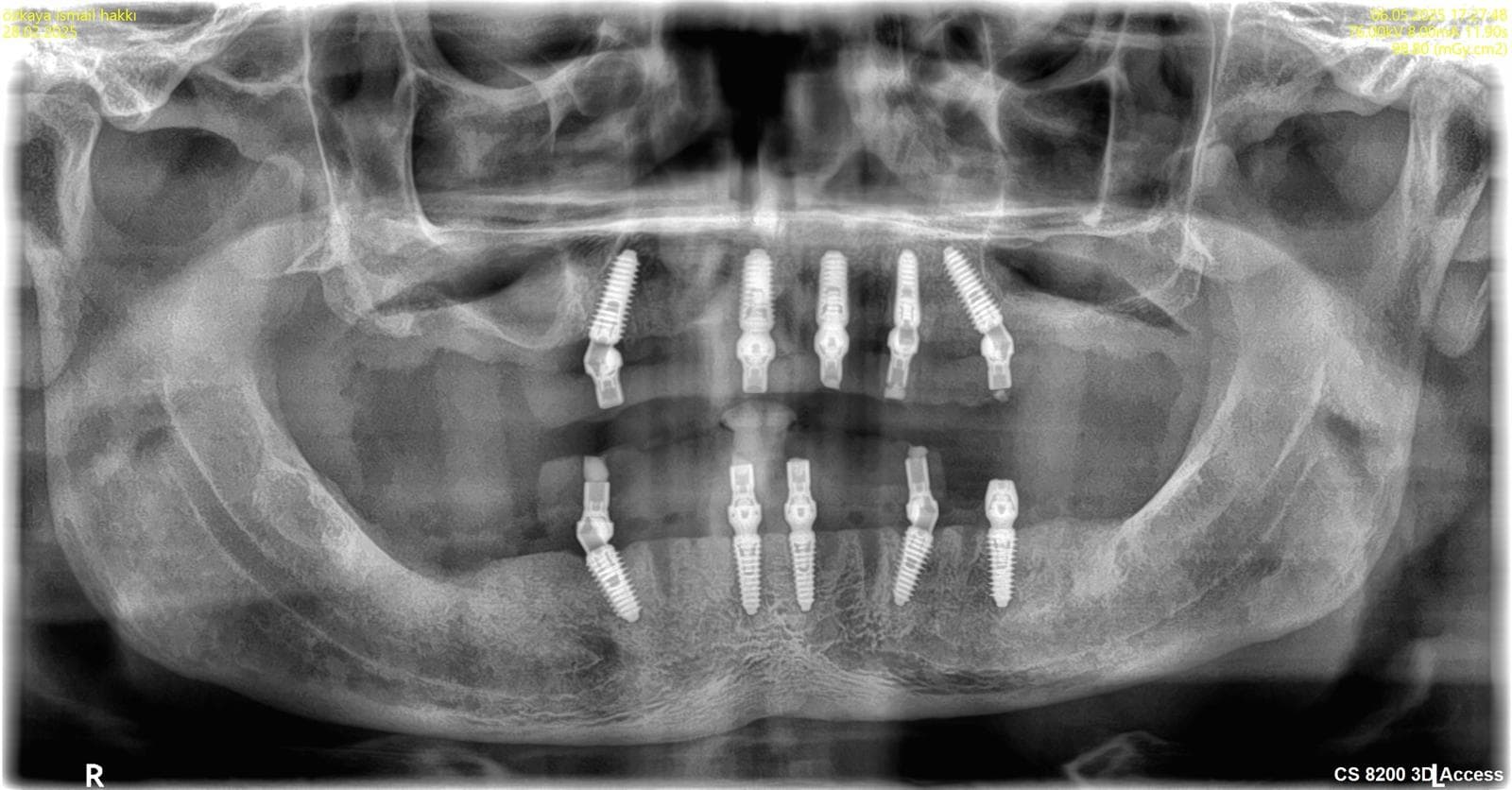
Gingivitis presents as red, swollen, and bleeding gums — symptoms many patients mistakenly dismiss as normal. Without treatment, gingivitis progresses to periodontitis in susceptible individuals. Periodontitis involves the formation of deep periodontal pockets (gaps between the gum and tooth root), progressive alveolar bone loss, tooth mobility, and ultimately tooth loss.

Beyond the oral cavity, periodontitis has well-documented associations with systemic disease. Evidence links it with cardiovascular disease, diabetes (bidirectional relationship), preterm birth, respiratory conditions, and rheumatoid arthritis. Treating periodontal disease effectively can improve systemic health markers, making periodontal care a cornerstone of overall health management.
Scaling, Root Planing, and Professional Cleaning

The foundation of periodontal treatment is removal of the bacterial biofilm (dental plaque) and calcified deposits (tartar/calculus) that drive the inflammatory response. Supragingival scaling removes deposits above the gum line using ultrasonic and hand instruments. Subgingival scaling and root planing (deep cleaning) removes deposits from below the gum line, smooths the root surface to remove bacterial toxins, and promotes reattachment of the gum to the tooth.

At DentARF, we use piezoelectric ultrasonic scalers for efficient, comfortable, and precise removal of deposits in both supragingival and subgingival areas. Local anesthesia is used for deeper pockets (≥4 mm) to ensure patient comfort throughout the procedure. The number of appointments required depends on the severity and extent of disease — typically 2–4 appointments for moderate-to-severe periodontitis.

Following active therapy, most patients are re-evaluated at 6–8 weeks. Pockets that have responded well (reduced to ≤4 mm) can be maintained with regular supportive periodontal therapy. Pockets that remain deep or show continuing bone loss may require surgical intervention.

Periodontal Surgery

Surgical periodontal treatment is indicated when non-surgical therapy fails to adequately reduce pocket depths or when bone defects are present that may benefit from regenerative procedures. Flap surgery (open flap debridement) allows direct visual access to root surfaces and bone — enabling more thorough debridement than is possible through non-surgical approaches alone, and correction of irregular bone morphology to facilitate pocket reduction.

Guided tissue regeneration (GTR) and bone grafting are regenerative procedures that aim to reconstruct lost supporting structures. Using barrier membranes and/or graft materials, these techniques can achieve partial to complete regeneration of the periodontal ligament, cementum, and alveolar bone in selected defect types. Patient selection, defect morphology, and plaque control are critical determinants of regenerative success.

Soft tissue procedures — including free gingival grafts and connective tissue grafts — address gingival recession (shrinking gums) by augmenting the width of attached keratinized gingiva or covering exposed root surfaces. This reduces sensitivity, improves aesthetics, and protects roots from further recession and caries.

Supportive Periodontal Therapy and Maintenance

Periodontal disease is a chronic condition — there is no permanent cure, but it can be controlled effectively with proper treatment and consistent maintenance. After active therapy, patients enter a supportive periodontal therapy (SPT) program with recall intervals of 3–6 months, tailored to disease severity and individual risk factors.

Each SPT appointment includes a review of oral hygiene, professional supragingival and subgingival cleaning, pocket depth monitoring, and radiographic assessment at appropriate intervals. The goal is to maintain the gains achieved through active therapy and prevent relapse.

At DentARF, we provide our periodontal patients with personalized oral hygiene instruction at every appointment — including the most appropriate interdental cleaning tools (floss, interdental brushes, water flossers) for their specific anatomy and restorative situation. Patient compliance with home care between appointments is the single most important factor in long-term periodontal stability.

DentARF Klinik

Take the First Step for a Healthier Smile Today

Use our online booking flow to create your appointment in 5 quick steps.

Book Appointment