
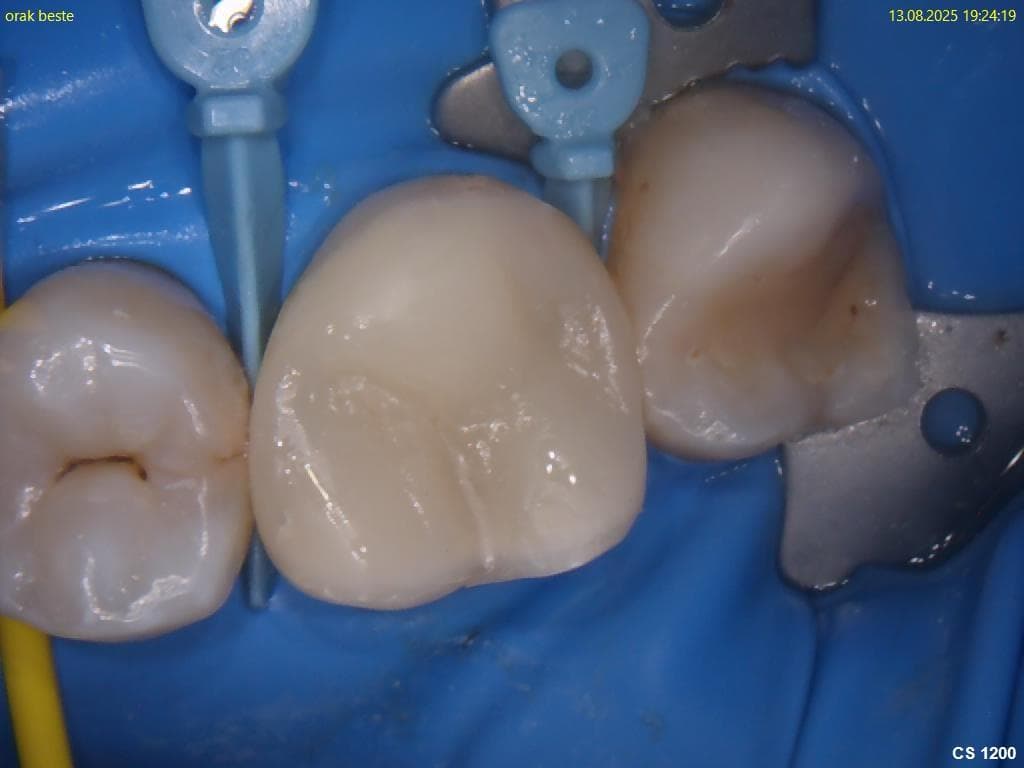
Endodontics (Root Canal Treatments)

A microscopic treatment approach that aims to preserve the tooth by cleaning infected or damaged pulp tissue.

Endodontics (Root Canal Treatments)

What Is Root Canal Treatment?

Root canal treatment (endodontic therapy) is a procedure that removes infected, inflamed, or necrotic pulp tissue from the inside of a tooth, cleans and shapes the root canals, and seals them permanently to prevent reinfection. The goal is to save a tooth that would otherwise need to be extracted, preserving its function and preventing the spread of infection to surrounding bone and tissue.

The pulp — the soft tissue inside the tooth containing nerves, blood vessels, and connective tissue — can become infected through untreated deep decay, a crack or fracture, repeated dental procedures on the same tooth, or trauma. When pulp infection spreads into the periapical bone, it can cause a dental abscess, significant pain, and systemic health risk.

Modern root canal treatment at DentARF is performed under magnification using a dental operating microscope, providing up to 25x magnification. This allows our endodontists to identify and treat even the most intricate canal anatomy with precision and confidence. Combined with nickel-titanium rotary instruments, electronic apex locators, and warm vertical condensation of gutta-percha, our protocols are aligned with current best evidence in endodontics.
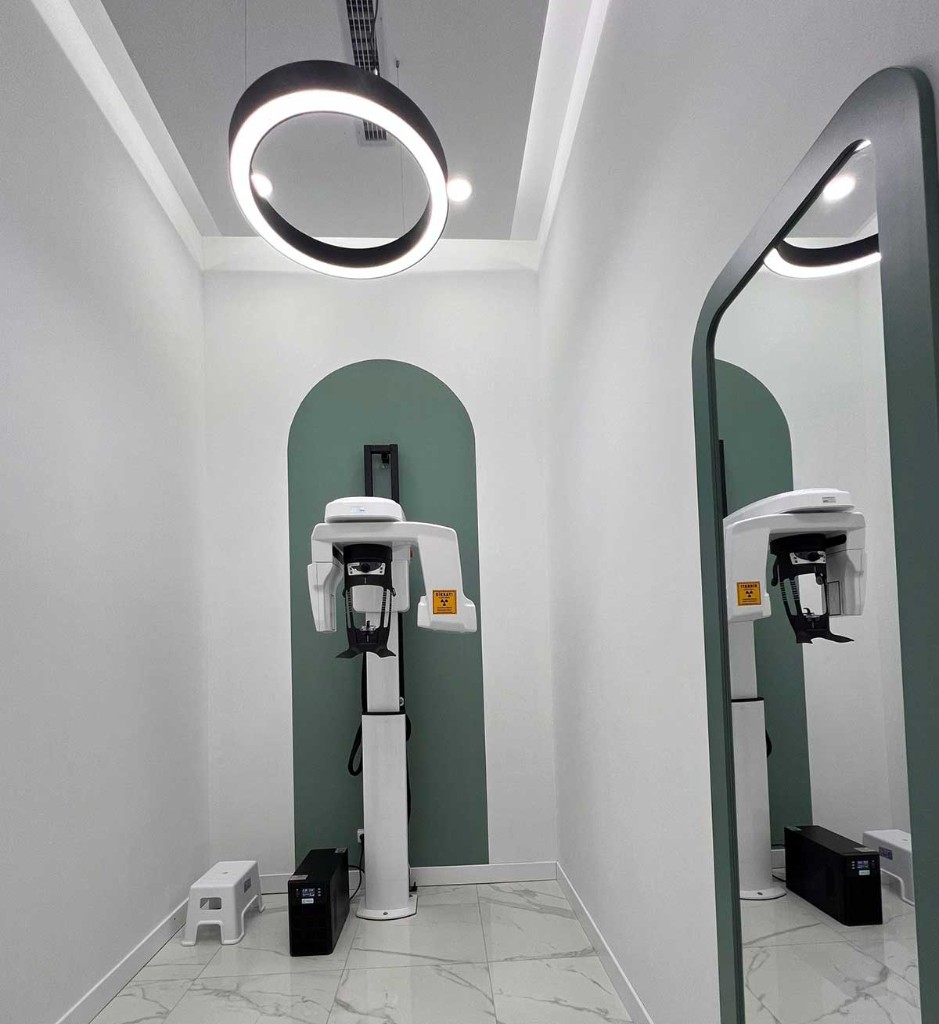
Does It Hurt? What to Expect

Root canal treatment has an undeserved reputation for being painful. In reality, the procedure is performed under local anesthesia and is no more uncomfortable than having a conventional filling placed. Most patients are pleasantly surprised by how comfortable the experience is — especially compared to the toothache that prompted treatment.

The tooth and surrounding gum are thoroughly numbed before treatment begins. For patients with dental anxiety, we offer conscious sedation options including oral sedation (pre-appointment medication) and inhalation sedation (nitrous oxide). Our team takes as much time as necessary to ensure the patient is fully comfortable before proceeding.

After the procedure, mild sensitivity or soreness around the treated tooth for 2–3 days is normal as the periapical tissues heal. This is easily managed with over-the-counter analgesics such as ibuprofen. Full function is typically restored within a week, and the tooth should then feel completely normal.

Retreatment and Complex Endodontic Cases

Root canal retreatment is required when a previously treated tooth fails to heal or develops new symptoms. Common reasons include missed canals (anatomy variants such as a second mesiobuccal canal in upper molars), inadequate sealing, coronal leakage, or persistent bacterial contamination. With microscope-assisted retreatment, our specialists can dissolve and remove the original filling material, relocate missed canals, and re-treat the entire root canal system.

For teeth with persistent periapical pathology (lesions around the root tip) that do not respond to conventional root canal therapy, apical surgery (apicoectomy) may be indicated. This minor surgical procedure involves making a small incision in the gum, removing a few millimeters of the root tip, and placing a retrograde root-end filling. Success rates for apicoectomy exceed 85% in properly selected cases.

Complex cases — including calcified canals, curved or dilacerated roots, separated instruments, and internal/external resorption — are referred to or managed by our specialist endodontist, ensuring that even the most challenging teeth have the best possible chance of survival.

Post-Treatment Restoration

Completing root canal treatment is only the first step. Following endodontic therapy, the tooth must be adequately restored to prevent fracture and reinfection. A root canal treated tooth loses moisture and becomes more brittle over time, making it significantly more susceptible to cracking under chewing forces.

For posterior teeth (premolars and molars), placement of a full-coverage crown is almost always recommended. The crown distributes occlusal forces evenly, seals the tooth from bacterial ingress, and provides the structural support needed for long-term function. Studies consistently show that root canal treated molars without crown coverage have significantly lower survival rates.

For anterior teeth with sufficient remaining tooth structure, a composite or ceramic buildup may be sufficient. The type of restoration is determined based on the amount of remaining tooth structure, the tooth's occlusal load, and aesthetic considerations. Our team ensures that the restoration plan is discussed and agreed upon before root canal treatment begins — so patients understand the full scope of treatment from the outset.

DentARF Klinik

Take the First Step for a Healthier Smile Today

Use our online booking flow to create your appointment in 5 quick steps.

Book Appointment