
Dental Implant Treatments

From single-tooth replacement to full-arch rehabilitation, implant planning is tailored to bone and soft tissue anatomy.

Dental Implant Treatments

What Is a Dental Implant?

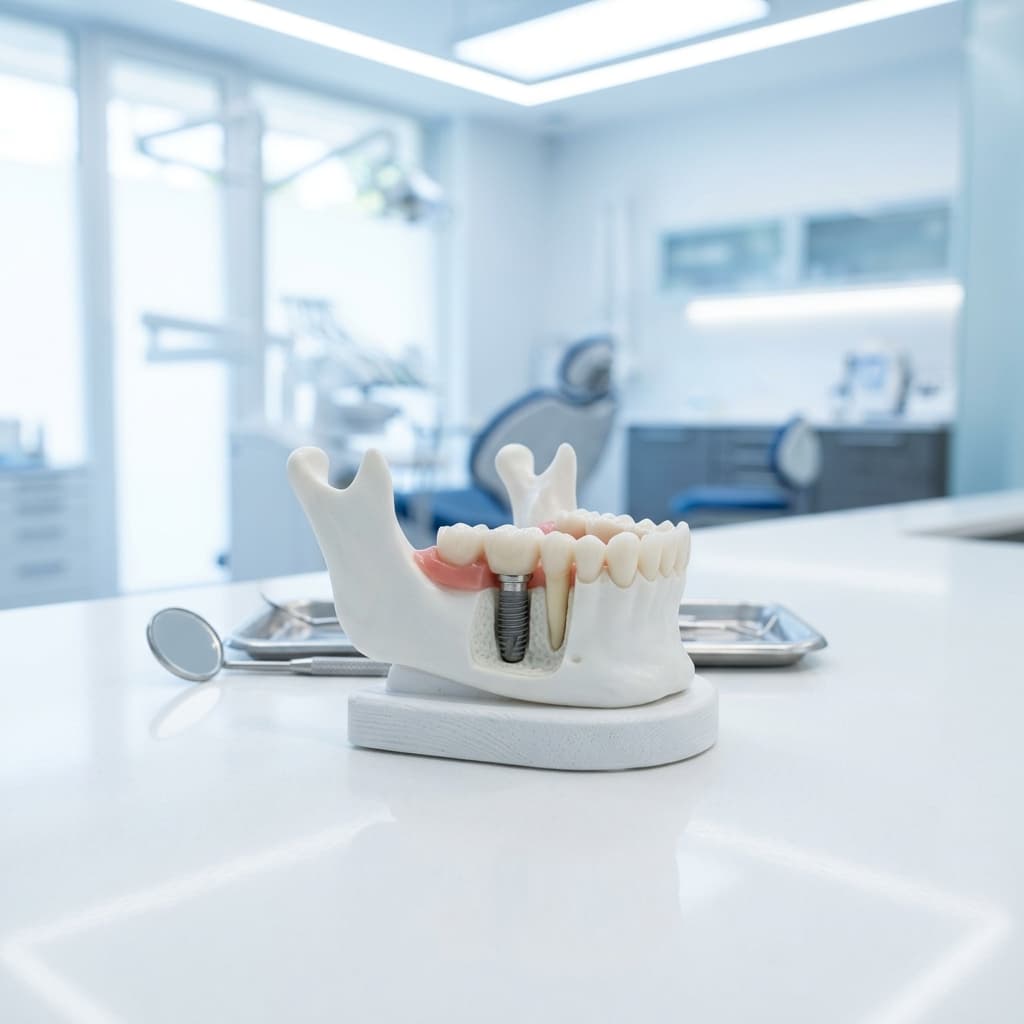
A dental implant is a small titanium or zirconia screw that is surgically placed into the jawbone to serve as an artificial tooth root. Over a period of 2–4 months, the implant undergoes osseointegration — the biological process by which living bone grows directly onto the titanium surface, creating a stable and permanent anchor for the replacement tooth.

Once osseointegration is confirmed, an abutment (connector piece) is attached to the implant, and a custom-made crown, bridge, or overdenture is fitted on top. The final result is indistinguishable from a natural tooth in both appearance and function, and it preserves the surrounding jawbone from the resorption that inevitably follows tooth loss.

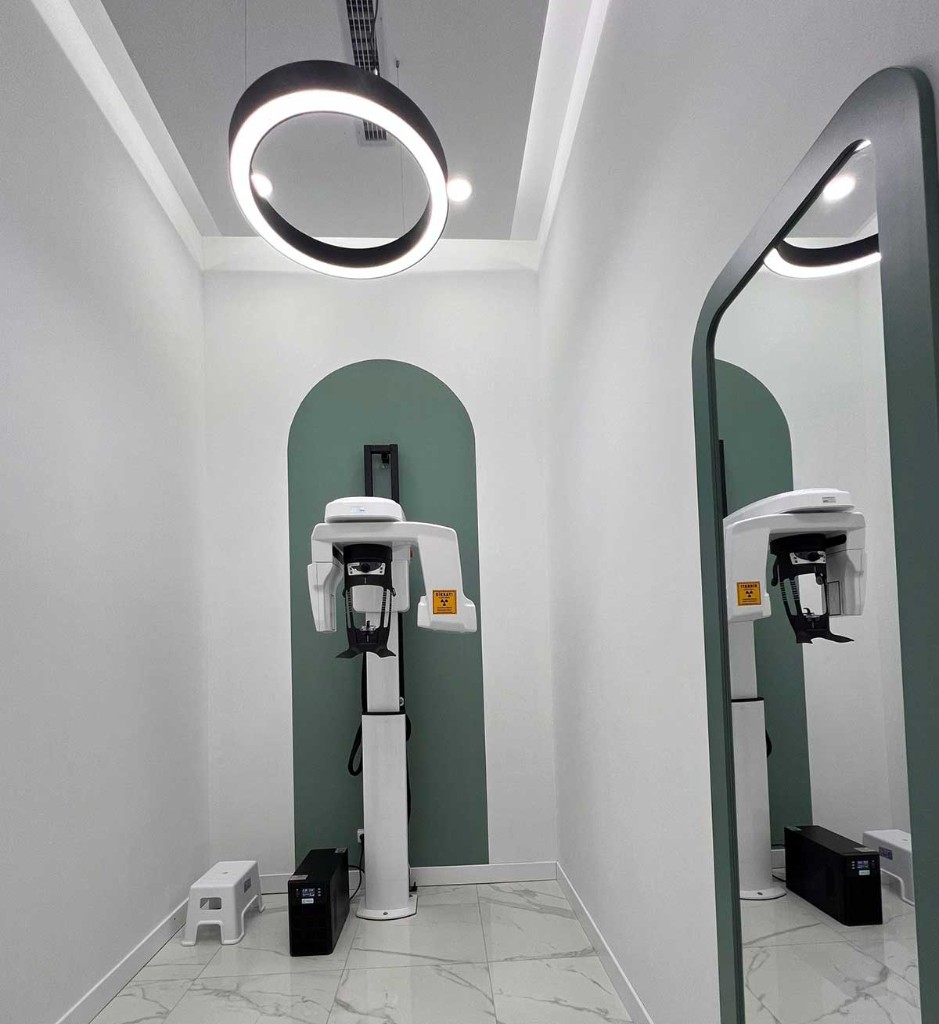
At DentARF, we use implant systems from globally recognized manufacturers with decades of scientific documentation. Treatment planning is conducted using CBCT imaging and digital surgical guides to ensure precise, safe placement. Our surgeons are trained in both standard and complex implant protocols, including immediate loading and full-arch rehabilitation.
Single Implant, Multiple Implants, and All-on-4 / All-on-6

A single implant is the ideal solution for replacing one missing tooth without affecting adjacent healthy teeth — unlike a conventional bridge, which requires grinding down neighboring teeth for support. The single implant crown is fully independent, easy to clean, and has a documented success rate exceeding 95% over 10 years.

For patients missing several teeth in the same area, multiple implants supporting a bridge provide a fixed, permanent solution. Fewer implants than missing teeth are typically needed, as the bridge spans across them. Strategic placement minimizes cost while maximizing stability.

For fully edentulous patients or those requiring full-arch extraction, All-on-4 (four implants per arch) and All-on-6 (six implants per arch) protocols offer a complete set of fixed teeth often delivered within 24–48 hours of surgery. Angled implant placement in the All-on-4 concept maximizes the use of available bone and typically avoids the need for sinus grafting in the upper jaw.

Sinus Lift and Bone Grafting

The upper posterior jaw (maxilla) often presents a challenge for implant placement because the maxillary sinuses expand downward over time after tooth loss, leaving limited bone height. A sinus lift (sinus floor elevation) procedure creates additional bone height by elevating the sinus membrane and packing bone graft material beneath it.

The lateral (window) approach is used when less than 4–5 mm of bone height remains and provides access to graft a larger volume. The crestal (transalveolar) approach is minimally invasive, performed through the implant osteotomy, and suitable when 5–7 mm of bone is present. Healing time before implant placement ranges from 4–8 months for a lateral approach to simultaneous placement in some crestal approach cases.

Bone grafting materials include autogenous bone (harvested from the patient's own body — the gold standard), allografts (processed human cadaveric bone), xenografts (bovine-derived, widely used with excellent outcomes), and synthetic bone substitutes. Our team selects the most appropriate material based on graft volume needed, patient health, and clinical evidence.

Aftercare and Long-Term Implant Success

Dental implants, when properly placed and maintained, can last a lifetime. However, long-term success depends critically on patient compliance with aftercare. In the first days after surgery, patients should follow a soft diet, avoid smoking and alcohol, and refrain from disturbing the surgical site. Any prescribed antibiotics and analgesics should be completed as directed.

Once healed, implants require the same care as natural teeth: twice-daily brushing with a soft-bristled brush, daily interdental cleaning (floss or interdental brushes), and regular professional maintenance every 6 months. Peri-implantitis — inflammation around the implant analogous to periodontitis — is the primary threat to long-term implant survival and is almost entirely preventable with proper hygiene and regular professional monitoring.

At DentARF, every implant patient is enrolled in our annual implant maintenance program, which includes professional cleaning, probing of peri-implant tissues, radiographic check (annual), and occlusal assessment. This systematic follow-up allows us to detect and manage any early complications before they threaten implant survival.

DentARF Klinik

Take the First Step for a Healthier Smile Today

Use our online booking flow to create your appointment in 5 quick steps.

Book Appointment