
Oral and Maxillofacial Surgery

Safe surgical solutions are offered for complex cases involving jawbone, impacted teeth, soft tissue, and advanced oral surgery.

Oral and Maxillofacial Surgery

Impacted and Wisdom Tooth Extraction

Wisdom teeth (third molars) are the last permanent teeth to erupt, typically appearing between ages 17 and 25. Because modern jaws often lack sufficient space, these teeth frequently become impacted — meaning they cannot fully erupt and remain partially or completely beneath the gum and/or bone.

Impacted wisdom teeth can cause a range of complications: recurrent pericoronitis (gum flap infection), damage to the adjacent second molar, cyst formation, crowding of the anterior teeth, and pain. At DentARF, surgical extraction of impacted wisdom teeth is performed under local anesthesia using a minimally traumatic technique that preserves surrounding bone and gum tissue.

The procedure involves a small gingival incision, careful elevation of the overlying bone if necessary, sectioning of the tooth into manageable pieces, and meticulous socket cleaning. Dissolvable sutures are placed and a post-operative care protocol is provided. Most patients resume normal activities within 2–3 days, with full healing in 1–2 weeks.
Bone Augmentation for Implant Preparation

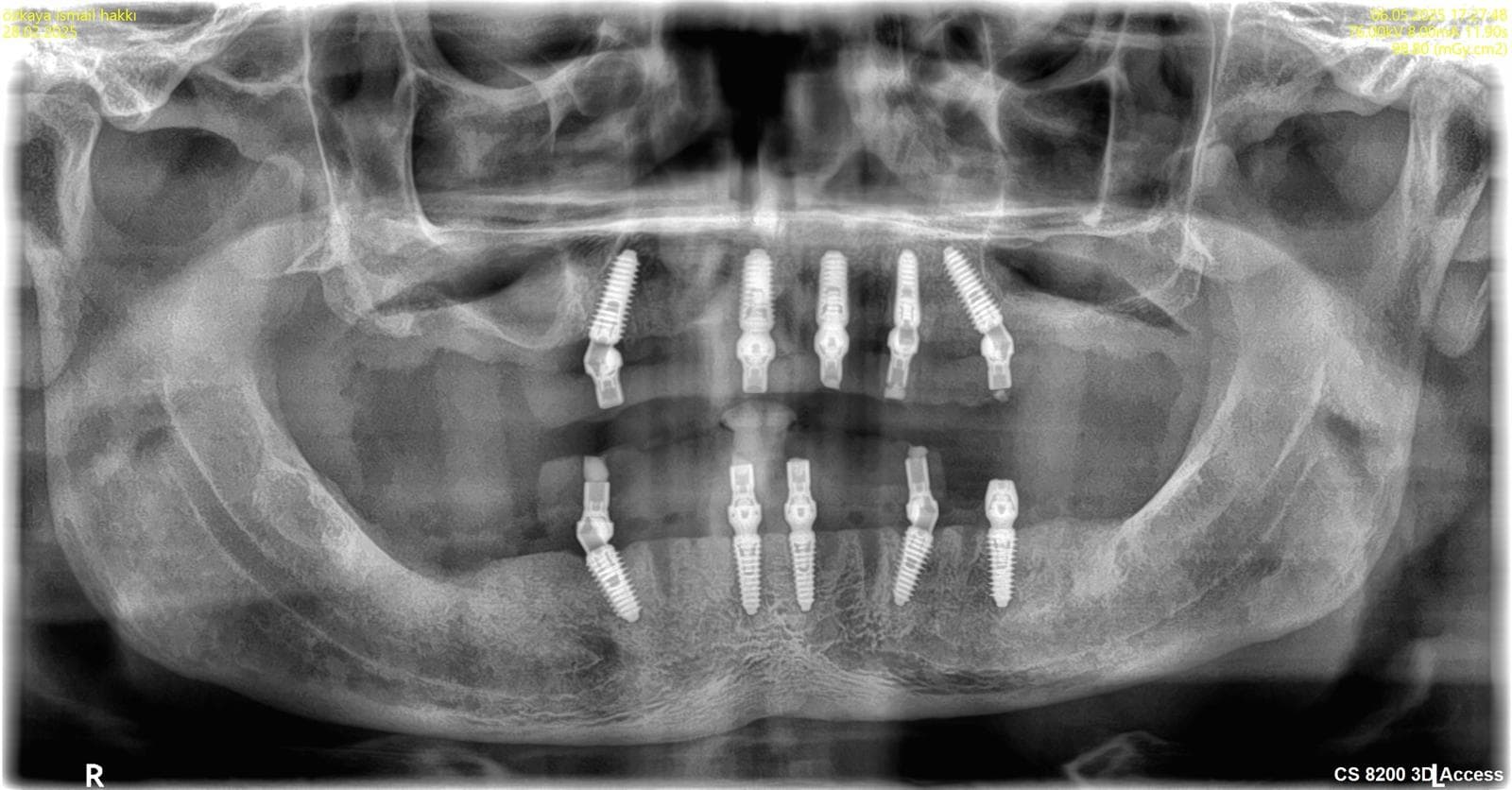
Successful dental implant placement requires adequate bone volume at the implant site. Patients who have had missing teeth for an extended period, or who have experienced bone loss due to periodontal disease, trauma, or infection, may not have sufficient bone for standard implant placement. In these cases, bone augmentation (grafting) is performed prior to or simultaneously with implant surgery.

Techniques used at DentARF include guided bone regeneration (GBR) using resorbable membranes and bone graft materials (autogenous, allograft, or xenograft), sinus floor elevation (sinus lift) for the posterior upper jaw, and socket preservation grafts placed immediately after tooth extraction to minimize bone resorption.

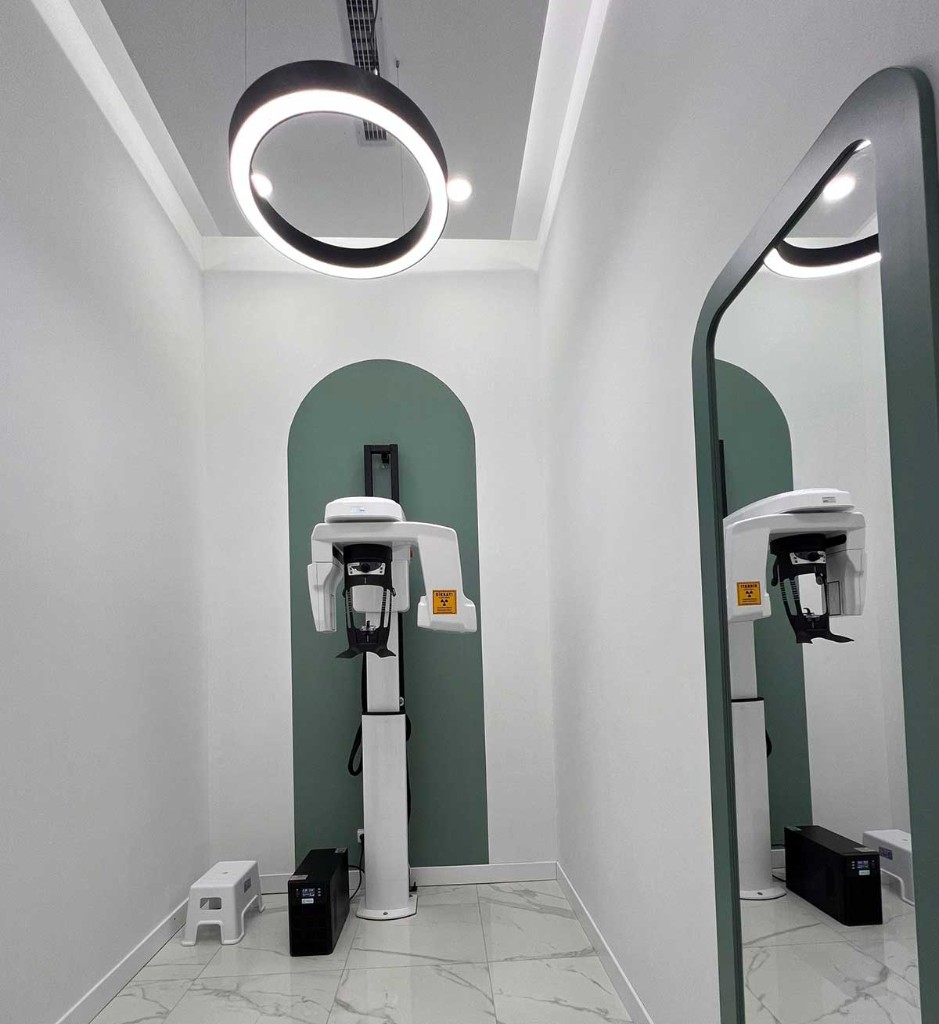
These procedures increase bone volume and density, creating a suitable foundation for implant integration. Healing time before implant placement ranges from 3 to 9 months depending on the extent of grafting. Our surgical team uses CBCT imaging and digital planning to optimize graft placement and predict outcomes with high accuracy.

Soft Tissue Surgery: Frenectomy, Crown Lengthening, and Gingivoplasty

Soft tissue surgical procedures address conditions that affect both function and aesthetics of the oral soft tissues. A frenectomy is the removal or repositioning of the frenum — the small fold of tissue connecting the lip or tongue to the gum. An abnormally short lingual frenum (ankyloglossia or "tongue tie") can restrict tongue movement and affect speech, swallowing, and breastfeeding in infants. A prominent labial frenum can pull the gum away from the front teeth or maintain a gap (diastema) that resists orthodontic closure.

Crown lengthening is performed when a tooth requires a crown but insufficient tooth structure is exposed above the gum line — whether due to a short tooth, a gummy smile, or a fracture at or below the gum margin. Removing a small amount of gum and bone exposes more tooth structure, allowing for a properly seated and durable restoration.

Gingivoplasty and gingival contouring reshapes the gum line for aesthetic purposes — correcting asymmetries, reducing excess gum tissue in a "gummy smile," or evening out the gingival margins across multiple teeth. These minor surgical procedures are typically performed under local anesthesia with minimal downtime.

TMJ Treatment and Bruxism Management

The temporomandibular joint (TMJ) connects the lower jaw (mandible) to the skull and is responsible for all jaw movements involved in speaking, chewing, and swallowing. TMJ disorders (TMD) encompass a range of conditions affecting the joint, surrounding muscles, and the disc within the joint — often presenting as jaw pain, clicking or locking, headaches, ear pain, and difficulty opening the mouth fully.

Bruxism — the involuntary clenching and grinding of teeth, particularly during sleep — is a major contributor to TMD and causes significant tooth wear, muscle fatigue, and headaches. At DentARF, TMD management begins with a detailed clinical assessment and, where indicated, CBCT imaging of the joint.

Treatment is typically conservative and multidisciplinary: custom occlusal splints are the cornerstone of therapy, reducing joint loading and allowing muscles to rest. This is complemented by physiotherapy, relaxation techniques, dietary modifications (soft diet during acute phases), and in some cases Botox injections into the masseter and temporalis muscles to reduce clenching force. Surgical intervention is reserved for severe, refractory cases and is rarely necessary.

DentARF Klinik

Take the First Step for a Healthier Smile Today

Use our online booking flow to create your appointment in 5 quick steps.

Book Appointment