Does root canal treatment really hurt? What has changed with modern endodontics?
What Is Root Canal Treatment?
Root canal treatment (endodontic therapy) is performed when the soft tissue inside the tooth — the pulp — becomes inflamed or infected. The pulp contains nerve fibres, blood vessels, and connective tissue. Deep decay, fractures, or repeated dental procedures can all cause pulp infection. Left untreated, infection can lead to tooth loss and spread to surrounding jaw bone. Root canal treatment saves the tooth and eliminates the source of pain and infection.
Does Root Canal Treatment Hurt?
This is the most frequently asked question about endodontic therapy — and the fear surrounding it is largely based on outdated techniques. Modern endodontics, powered by advanced local anaesthesia, nickel-titanium rotary instruments, and electronic apex locators, makes root canal treatment a comfortable, pain-free experience for the vast majority of patients.
At DentARF, we use digital anaesthesia (Wand system) that delivers controlled, computer-regulated anaesthetic delivery — minimising the discomfort of the injection itself. Most patients report feeling only mild pressure during the procedure.
Step-by-Step Treatment Process
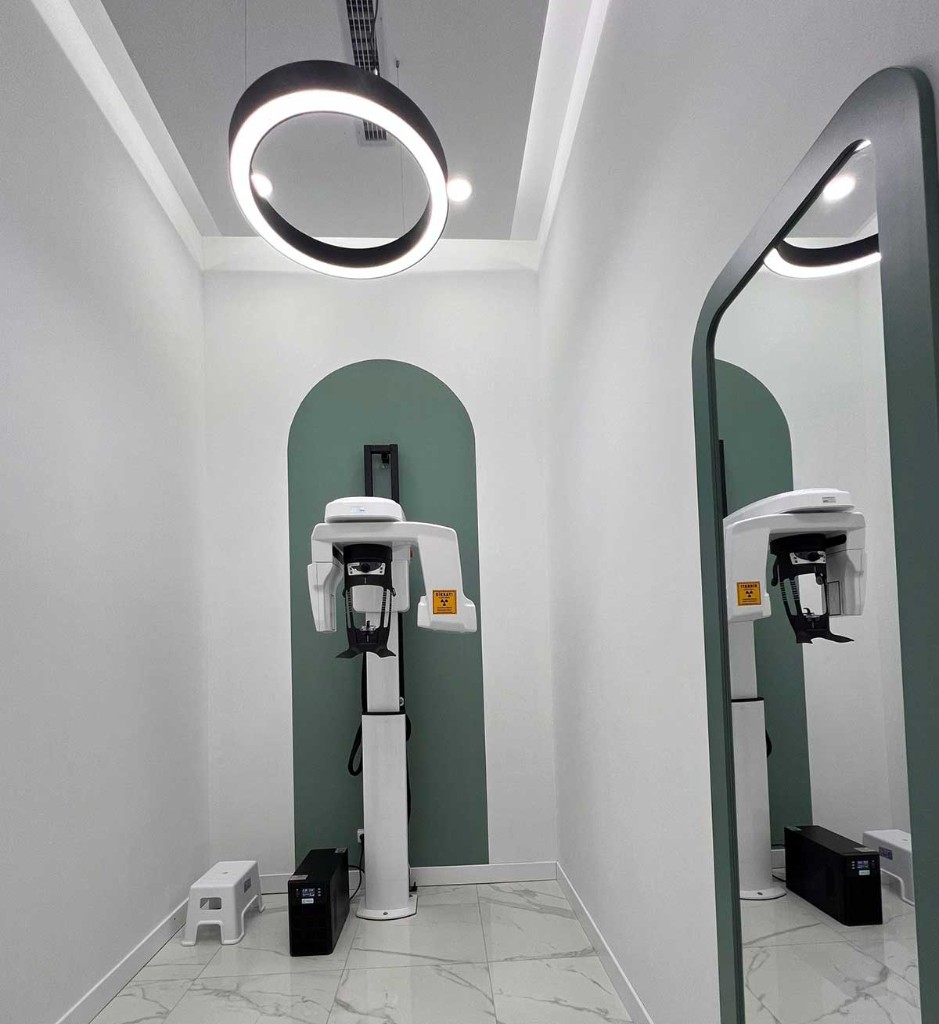
- Diagnosis and imaging: Digital X-ray determines the extent of infection.
- Anaesthesia: The area is fully numbed.
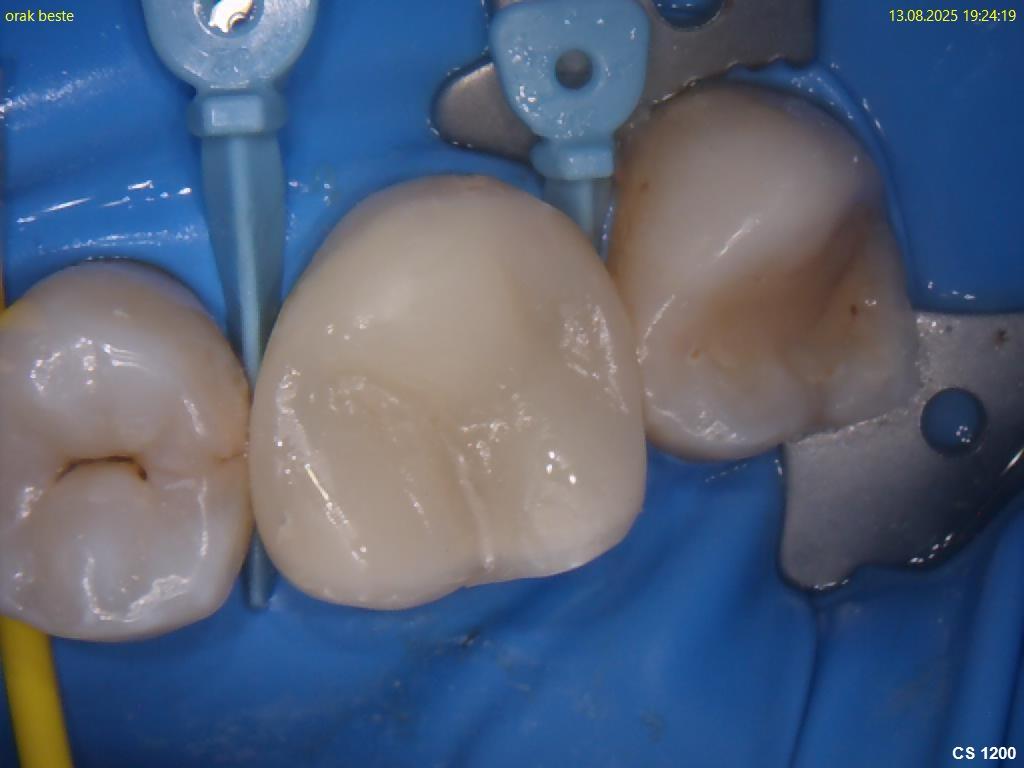
- Access opening: A small opening is made in the crown to reach the pulp.
- Canal cleaning: Infected pulp tissue and bacteria are removed using precision instruments.
- Shaping and irrigation: Canals are shaped and flushed with antiseptic solutions.
- Filling: Canals are sealed with biocompatible gutta-percha material.
- Restoration: The tooth is restored with a crown or filling to protect it long-term.
Post-Treatment Care
Mild sensitivity for 24–48 hours after treatment is normal and easily managed with the pain relief recommended by your dentist. Avoid placing heavy biting force on the treated tooth until it is fully restored. Attend your scheduled follow-up appointments — a successfully treated and restored tooth can remain in your mouth for decades.